
Pregnancy diet: what to eat and what to avoid
A simple guide to eating well in pregnancy: the nutrients that matter most each trimester, the foods to avoid, and easy meal ideas.
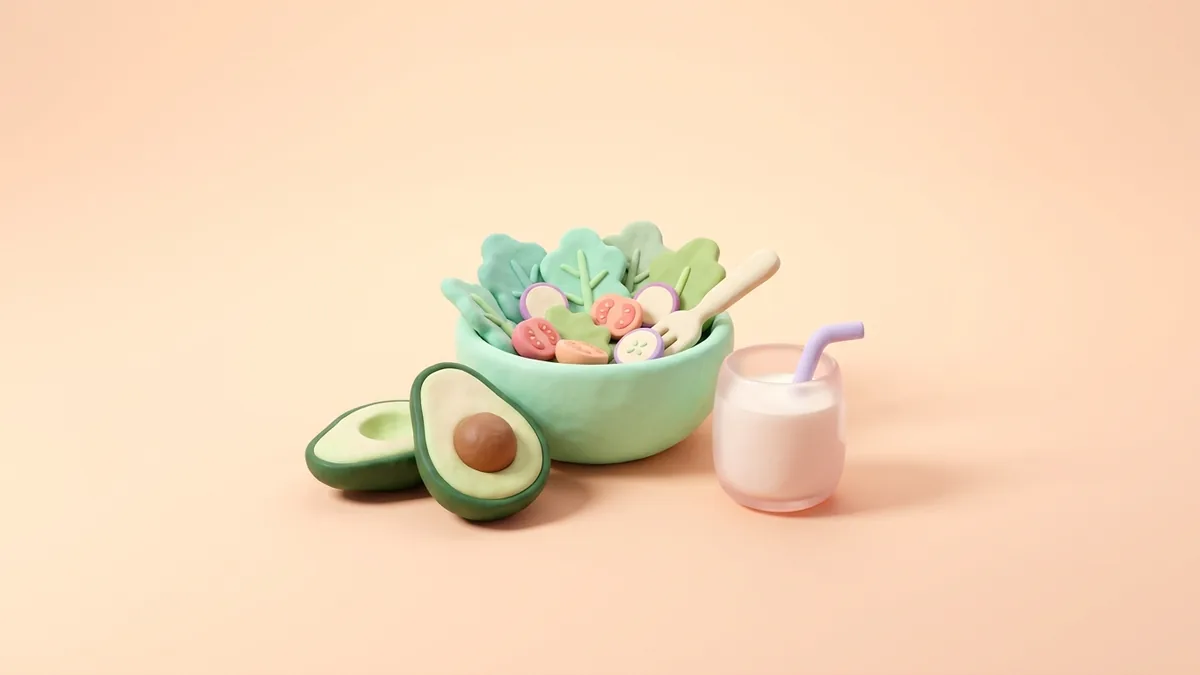
You don't need a special diet to have a healthy pregnancy. What you need is a little more of a few key nutrients, plenty of variety, and a short list of foods to skip. Here is what matters, trimester by trimester.
How much more should I eat?
Less than you might think. "Eating for two" is a myth.
| Trimester | Extra calories a day (single baby) |
|---|---|
| First (weeks 1 to 13) | None |
| Second (weeks 14 to 27) | About 340 |
| Third (weeks 28 to 40) | About 450 |
340 calories is roughly a slice of wholegrain toast with peanut butter and a glass of milk. If you are expecting twins, or started pregnancy underweight, you will need more; ask your provider.
The nutrients that matter most
Folic acid
Folic acid protects against neural tube defects such as spina bifida, which form in the first weeks, often before you know you are pregnant. Take 400 to 800 mcg a day, ideally from before conception until at least week 12, and eat folate-rich foods like leafy greens, beans, lentils and fortified cereals. Read more in our guide to prenatal vitamins.
Iron
Your blood volume rises by up to 50% in pregnancy, so iron needs nearly double, to 27 mg a day. Anemia is the most common second-trimester deficiency. Good sources include lean red meat, chicken, fish, beans, lentils, tofu and fortified cereals.
Protein
Your baby's muscles, organs and brain are built from protein. Aim for roughly 70 to 100 g a day, from eggs, dairy, meat, fish, beans, lentils, tofu, nuts and seeds.
Calcium and vitamin D
Your baby's skeleton hardens through the second and third trimesters. Aim for 1,000 mg of calcium a day from dairy, fortified plant milk, calcium-set tofu, almonds and leafy greens, plus vitamin D (600 IU, or 15 mcg, is a common recommendation) to help you absorb it.
Omega-3 (DHA)
DHA supports your baby's brain and eyes, which grow fastest in the third trimester. Two servings of low-mercury oily fish a week, such as salmon, sardines or trout, is ideal. If you don't eat fish, ask about an algae-based DHA supplement.
Iodine
Iodine supports your thyroid and your baby's brain development. Check that your prenatal vitamin contains it (150 mcg is typical).
What to eat in each trimester
First trimester. Folic acid is the priority. If nausea is a problem, don't worry about a perfect diet: eat small, bland meals every two hours, and cold foods, which smell less. See our morning sickness tips.
Second trimester. Your appetite usually returns. Focus on protein, calcium and iron. Gestational diabetes tends to develop now, so go easy on sugary drinks, white bread and processed snacks.
Third trimester. Iron demand peaks as your baby builds stores for their first six months. As your baby fills your abdomen, five or six mini meals are more comfortable than three big ones, and they help with heartburn.
Foods to avoid in pregnancy
Most food rules are about avoiding infections like listeria, salmonella and toxoplasmosis, which are rare but can be serious in pregnancy.
| Avoid | Why | Safer swap |
|---|---|---|
| Unpasteurized milk, cheese and juice | Listeria | Pasteurized versions |
| Soft mold-ripened cheeses (brie, camembert) and soft blue cheeses, unless cooked until steaming | Listeria | Hard cheeses like cheddar, or cooked soft cheese |
| Raw or undercooked meat, poultry and eggs | Salmonella, toxoplasmosis | Cook until piping hot with no pink; eggs with firm yolks, or pasteurized eggs |
| Deli meats and hot dogs, unless heated until steaming | Listeria | Freshly cooked meat |
| Refrigerated smoked fish and pâté | Listeria | Canned or shelf-stable versions, or cooked in a dish |
| Raw fish and shellfish (sushi, oysters) | Bacteria and parasites | Cooked sushi rolls, cooked shellfish |
| High-mercury fish: shark, swordfish, king mackerel, tilefish, bigeye tuna, marlin | Mercury can harm the baby's nervous system | Salmon, sardines, trout, cod, canned light tuna |
| Liver and liver products | Too much vitamin A | Other lean meats |
| Alcohol | No amount is known to be safe | Alcohol-free drinks |
You also need to keep caffeine to 200 mg a day or less. Our caffeine guide shows how much that is in coffee, tea and soda.
Simple meal ideas
- Breakfast: oatmeal with milk, berries and chopped nuts, or scrambled eggs on wholegrain toast with spinach.
- Lunch: a lentil and vegetable soup, or a chicken, quinoa and roasted pepper salad.
- Dinner: baked salmon with sweet potato and broccoli, or a bean chili with brown rice.
- Snacks: yogurt with fruit, hummus with carrots, a cheese and apple plate, or a handful of almonds.
Vegetarian or vegan? Read our guide to a plant-based pregnancy for the nutrients to watch.
Frequently asked questions
Can I eat cheese when pregnant?
Yes, most cheese is fine. Hard cheeses and pasteurized soft cheeses such as mozzarella, cottage cheese and cream cheese are safe. Avoid soft mold-ripened and soft blue cheeses unless they are cooked until steaming hot.
Is it safe to eat sushi while pregnant?
Avoid sushi made with raw fish. Rolls with cooked fish, cooked shrimp or vegetables are fine.
Can I eat eggs in pregnancy?
Yes. Cook eggs until the white and yolk are firm, or choose pasteurized eggs for anything runny, like homemade mayonnaise.
Sources
- ACOG: Nutrition during pregnancy
- FDA: Food safety for pregnant women
- NHS: Foods to avoid in pregnancy
- FDA and EPA: Advice about eating fish
General information only, not medical advice. Always follow the guidance of your doctor or midwife.
History of updates
- : Published.
Keep reading
Prenatal vitamins: what you need in each trimester
Which prenatal vitamins and supplements you need in pregnancy, when to start them, and how needs for folic acid, iron, vitamin D and DHA change by trimester.

Caffeine during pregnancy: how much coffee is safe?
The safe caffeine limit in pregnancy is 200 mg a day. See how much caffeine is in coffee, tea, soda and chocolate, and tips for cutting back.
Vegan and vegetarian pregnancy: the nutrients to watch
A plant-based diet can support a healthy pregnancy. The key nutrients vegans and vegetarians need, the best food sources and supplements to take.