
Morning sickness: why it happens and 12 remedies that help
Why pregnancy nausea happens, how long morning sickness lasts, the remedies that help most, and when severe vomiting needs medical care.
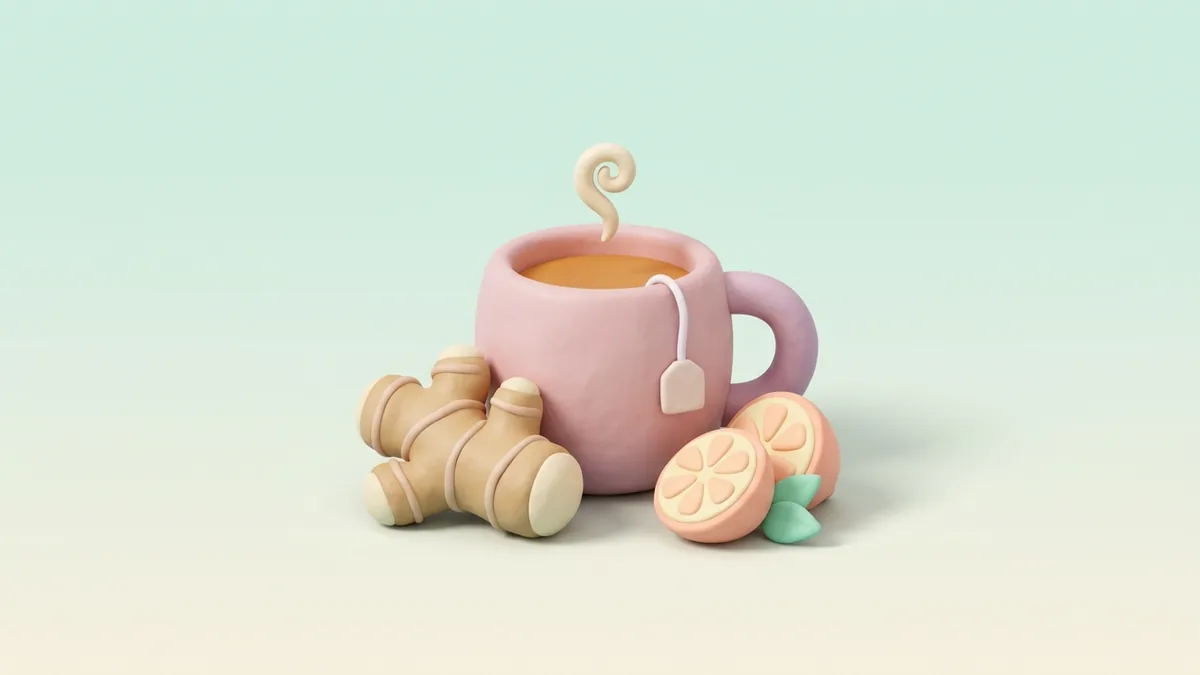
Nausea and vomiting affect up to 8 in 10 pregnant people. Despite the name, morning sickness can happen at any time of day, and for some it lasts all day. The good news: for most people it is not harmful to the baby, and it usually eases by the start of the second trimester.
What causes morning sickness?
No one knows exactly, but it is closely linked to the rapid rise of the pregnancy hormone hCG, along with estrogen and a heightened sense of smell. That is why it tends to peak around weeks 8 to 10, when hCG is at its highest.
You may be more likely to have stronger nausea if you are expecting twins, had it in a previous pregnancy, or get motion sickness or migraines.
How long does morning sickness last?
It usually starts around week 6, peaks between weeks 8 and 10, and fades by weeks 12 to 14. About 1 in 10 people have it for longer, sometimes for the whole pregnancy.
12 remedies that help
- Eat little and often. An empty stomach makes nausea worse. Aim for a small snack every two to three hours.
- Keep crackers by your bed. Eat a few plain crackers or a piece of dry toast before you get up in the morning.
- Choose cold foods. Cold food smells less than hot food, so it is often easier to keep down.
- Go bland and starchy. Toast, rice, potatoes, pasta and bananas are gentle on the stomach.
- Add protein. A little protein at each snack, like yogurt, nuts or cheese, can steady blood sugar and nausea.
- Try ginger. Ginger tea, ginger biscuits or ginger candy help many people. Check with your provider before taking ginger supplements.
- Sip, don't gulp. Drink small amounts often, between meals rather than with them. Cold water, fizzy water or ice chips can be easier.
- Avoid your triggers. Strong smells, greasy or spicy food and stuffy rooms often make things worse. Open a window and let someone else cook if you can.
- Rest. Tiredness makes nausea worse, and nausea makes you tired. Nap when you can.
- Try acupressure bands. Wristbands that press on the P6 point help some people and are safe to try.
- Take your vitamin at night. If your prenatal vitamin makes you queasy, take it with a snack before bed, or ask about switching to a folic acid-only tablet until you feel better.
- Ask about medicine. Vitamin B6, with or without doxylamine, is a first-line treatment recommended by ACOG. Your doctor can also prescribe other anti-sickness medicines that are safe in pregnancy.
When is it more than morning sickness?
About 1 to 3 in 100 pregnant people develop hyperemesis gravidarum (HG), a severe form of pregnancy sickness that can cause dehydration and weight loss. It is a medical condition, not something to push through. Call your doctor or midwife if you:
- can't keep any food or fluids down for 24 hours
- have dark pee or haven't peed for 8 hours or more
- feel dizzy or faint when you stand up
- are losing weight
- have belly pain, a fever or vomit blood
HG is treatable, often with medicine and sometimes with IV fluids in hospital.
Will morning sickness hurt my baby?
Mild to moderate nausea and vomiting is not known to harm your baby, even if you are not eating much for a few weeks. Your baby takes what they need from your body's stores. Focus on staying hydrated and eating whatever you can manage. A balanced pregnancy diet can wait until you feel better.
Frequently asked questions
Is no morning sickness a bad sign?
No. Many people have little or no nausea and go on to have healthy pregnancies.
Does morning sickness mean I'm having a girl?
There is a small statistical link between severe sickness and carrying a girl, but it is far too weak to predict your baby's sex.
Can morning sickness start in the second trimester?
It is unusual for nausea to start for the first time after week 16. New nausea or vomiting later in pregnancy, especially with pain, headache or a fever, should be checked by your provider.
Sources
General information only, not medical advice. Always follow the guidance of your doctor or midwife.
History of updates
- : Published.
Keep reading
Early signs of pregnancy: 14 symptoms to look out for
From a missed period to sore breasts and nausea, here are the most common early signs of pregnancy, when they start, and when to take a test.
Prenatal tests and scans: a trimester-by-trimester timeline
Every routine prenatal appointment, blood test and ultrasound in order, from your first visit to the 36-week GBS swab, with why each one matters.
Pregnancy weight gain: how much is healthy?
Where pregnancy weight goes, when you gain it and healthy totals by BMI, plus tips to stay on track. Use our calculator for your exact range.